Back to School Graphics: Versatile Design Assets
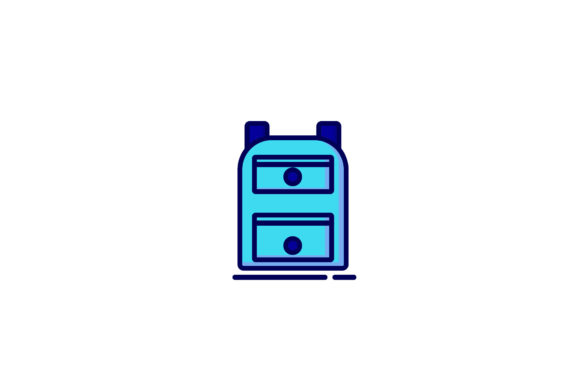
Picture a design asset that instantly conveys a blend of nostalgia, practicality, and creative energy—that's the core appeal of well-crafted Back to School School Bag Graphic Art. For graphic designers, visual storytellers, and brand strategists, this specific style of creative asset offers far more than a literal representation of a backpack. It taps into a rich visual language of preparedness, journey, discovery, and structure, making it an incredibly versatile tool across a wide range of modern design applications.
Why This Graphic Art Style Resonates
At its heart, this graphic art style is a masterclass in visual design and effective communication. The best examples leverage strong visual hierarchy to guide the eye, pairing bold iconography with carefully selected typography. The color palette often strikes a balance between warm, earthy tones and vibrant, energetic accents, reflecting both the stability of education and the excitement of new experiences. This juxtaposition creates an emotional resonance that is hard to ignore.
For a designer, these assets are a shortcut to establishing immediate context. They are imbued with a sense of purpose and direction. When you integrate this style into a brand identity, you aren't just adding a graphic; you are layering in a narrative of growth and reliability. Whether you are developing a logo for an ed-tech startup or creating a series of social media graphics for a stationery brand, the inherent symbolism of the subject matter does heavy lifting for your branding efforts.
Exploring the Visual Components
What makes this genre of graphic art so effective for creative projects? It’s the thoughtful composition. The best assets combine clean lines with textured elements, creating depth without clutter. The iconography—whether it’s the bag itself, books, or abstract academic motifs—is designed for immediate recognition. This aligns perfectly with modern aesthetics that prioritize simplicity and clarity. As a designer, you can deconstruct these elements to build cohesive systems, ensuring consistency across everything from a website hero section to a print design brochure.
Practical Applications Across Creative Projects
The versatility of this graphic art theme means it fits seamlessly into numerous design disciplines. Here are just a few ways you can leverage it to enhance user engagement and strengthen visual communication:
- Branding & Logo Design: Build a complete brand identity for educational institutions, tutoring services, or children's product lines. The graphic art serves as a central motif that is both memorable and relatable.
- Marketing & Advertising Campaigns: Create cohesive campaigns for back-to-school seasons. Use the art across digital ads, email headers, and print flyers to establish an immediate thematic connection with your audience.
- Web & UI Design: Integrate the motifs into web design interfaces for e-learning platforms or school supply e-commerce sites. It enhances UI design by adding personality and improving UX design through intuitive visual cues.
- Packaging Design: Apply the aesthetic to packaging design for lunchboxes, pencil cases, or subscription boxes. The visual consistency from digital ads to physical product creates a powerful professional presentation.
- Editorial & Print Design: Elevate editorial design for magazines, planners, or educational materials. The graphic art can be used as chapter openers, page borders, or central illustrations that break up text and add visual interest.
- Merchandise & Digital Products: Use the provided SVG and DXF files for cutting machines or screen printing to create physical merchandise like t-shirts, tote bags, and stationery, expanding your brand’s physical presence.
Maximizing Your Design Workflow with Quality Assets
A truly professional design workflow relies on assets that offer both flexibility and fidelity. This is where the specific file formats provided become invaluable. Receiving this design in AI, EPS, SVG, DXF, JPG, and PNG formats ensures that you can seamlessly integrate the graphic into any stage of your project. The vector files (AI and EPS) are essential for scalability and editing in professional software, allowing you to adjust colors or composition to match your exact color palette. The SVG is perfect for responsive web graphics, while the PNG offers a ready-to-use transparent overlay for quick mockups or social media graphics. Having this range of formats eliminates technical friction, allowing you to focus on creativity and design inspiration rather than file conversion.
When selecting such assets, consider your long-term brand identity goals. Does the visual style align with your target audience’s expectations? Is the typography used readable at different scales? Does the composition support your visual hierarchy? A thoughtful selection process ensures that the graphic art not only looks good but also functions effectively to support your core message. It becomes a pillar of your professional presentation, whether you are pitching to a client or launching a public campaign.
Ultimately, great graphic design is about more than just aesthetics—it’s about creating a connection. Whether you are a seasoned art director or a freelancer building your creative toolkit, investing in high-quality, conceptually rich assets like this allows you to produce work that is both visually stunning and strategically sound. It streamlines your design workflow and provides a reliable foundation for experiments in digital marketing and print design. By leading with intention and choosing resources that offer both beauty and utility, you position your work to stand out in a crowded visual landscape, making every project a compelling story ready to be told.