Back to School Questions Correction Art: Evaluating a Practical Design Resource for Educational Projects
When building content around education, assessment, or classroom themes, the visual assets you choose can significantly affect how your message lands. Generic stock imagery often fails to capture the specific tone needed for academic materials, especially when the subject involves correction, feedback, or question-based learning. Back to School Questions Correction Art is a digital design package built to address this gap, offering a set of vector and raster files centered on school-themed correction visuals. This article provides a practical evaluation of what this resource offers, how it performs across different use cases, and who stands to benefit most from adding it to their creative toolkit.
What the Asset Package Contains and Why It Matters
At its core, this product delivers six digital files, each formatted for a specific workflow or application. The included formats are AI, EPS, SVG, DXF, JPG, and PNG, all rendered at a canvas size of 1920 by 1280 pixels. This range of formats is one of the package’s strongest attributes because it accommodates both professional design software and simpler, more accessible tools. Whether you work in Adobe Illustrator, CorelDRAW, a cutting machine application, or a basic image editor, you have a version that will open and function without conversion headaches.
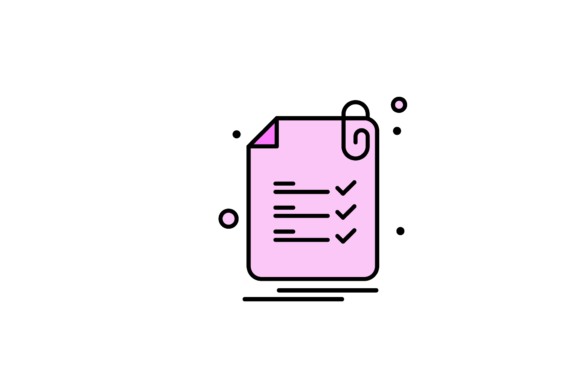
The theme of the art revolves around “questions correction,” which typically includes imagery such as check marks, cross marks, corrected test papers, grading symbols, and related school motifs. For educators, content creators, and small business owners producing materials for the back-to-school season, this kind of targeted artwork saves time spent searching for individual icons or attempting to build cohesive compositions from disparate sources. The fact that the designs come in both vector formats (AI, EPS, SVG, DXF) and raster formats (JPG, PNG) means you retain scalability for print projects while also having ready-to-use files for digital publishing.
Key Characteristics and Practical Strengths
One of the first things to note about Back to School Questions Correction Art is the deliberate focus on a specific niche. Rather than offering a broad collection of school-related clip art, this set zeroes in on the correction and feedback aspect of education. This focus makes it particularly useful for materials that deal with grading, assessment, error checking, and answer verification. For example, if you are designing a worksheet, a quiz template, or a digital learning module that requires visual indicators for correct and incorrect responses, these assets align directly with that need.
The canvas size of 1920 by 1280 pixels is well suited for both web and print applications. For digital use, this resolution fits standard screen ratios and provides enough detail for clear display on monitors, tablets, and projectors. For print, the vector formats allow you to scale the artwork to larger dimensions without losing sharpness. This dual capability increases the resource’s versatility across different project types.
Another practical strength is the inclusion of the DXF format. This is frequently overlooked in design asset packages, but for users who work with cutting machines such as Cricut or Silhouette, DXF support is essential. If you produce physical classroom decorations, bulletin board elements, or custom stickers, the DXF file allows you to cut the designs directly without manual tracing. This small detail significantly expands the asset’s usefulness beyond purely digital contexts.
Analyzing Real-World Performance and Usability
When evaluating any design resource, the difference between a file that looks good in preview and one that works seamlessly in production is critical. Back to School Questions Correction Art appears to have been constructed with this distinction in mind. The AI and EPS files are editable, which means you can change colors, adjust shapes, and combine elements with other designs. For designers who need to match a specific brand palette or adapt the artwork for a unique layout, this editability is a significant time-saver. You are not locked into a predetermined color scheme or composition.
The SVG format is equally important for web developers and digital content creators. SVG files are lightweight, scalable, and render cleanly in browsers. If you are building an educational website, an interactive quiz platform, or a learning management system interface, using SVG ensures that the correction icons maintain clarity across different screen sizes and resolutions. This technical compatibility reduces the need for image optimization workarounds or multiple resolution versions.
In terms of usability, the naming convention of the files and their organization within the download will affect how quickly you can access what you need. While the product description does not specify folder structure or file naming details, experienced users will appreciate that the formats are clearly labeled. If you frequently work with multiple file types, having all six versions ready means you can move from design to production without format conversion steps. For users who primarily need only one or two formats, the package still offers value because you are not forced to use all files—you simply select the one that fits your current workflow.
One realistic limitation to consider is that this is a focused set, not an expansive library. If your project requires a broad range of school iconography—such as books, pencils, buses, and students—this package alone will not cover those subjects. It is intentionally narrow in scope, which is a strength for correction-specific work but a limitation if you need a comprehensive back-to-school visual suite. Combining this set with other resources is the practical approach for larger, more varied projects.
Who Benefits Most from This Design Resource
The practical value of Back to School Questions Correction Art is highest for specific professional groups. Educators and instructional designers are an obvious primary audience. When creating tests, quizzes, homework assignments, or digital learning activities, having visually consistent correction marks and grading symbols improves the clarity of your materials. Students and parents can quickly identify correct and incorrect answers when the visual language is uniform and well designed.
Small business owners who produce educational content, such as tutoring services, online course creators, or homeschool curriculum publishers, will also find this set aligns with their daily needs. The ability to edit the files means you can adapt the artwork to your brand colors and incorporate it into worksheets, progress reports, or marketing materials for the back-to-school season. The vector formats ensure that your printed materials remain crisp, which reflects positively on your professionalism.
Freelancers and graphic designers who take on educational projects can use this resource to speed up their workflow. Instead of creating correction icons from scratch or piecing together mismatched assets from multiple sources, you have a coherent set ready to drop into client projects. This efficiency is especially valuable during the busy back-to-school period when deadlines often tighten.
Bloggers and publishers covering education topics, study tips, or parenting advice during the school year can use the JPG and PNG files directly in their articles and social media posts. The resolution is appropriate for web use, and the predetermined canvas size simplifies placement within standard blog layouts. For featured images or in-content callouts, the correction theme adds a visually relevant anchor that reinforces the subject matter.
Marketers working on back-to-school campaigns for educational products or services can leverage the artwork for email headers, landing page graphics, and promotional banners. The editable formats allow you to adapt the colors to match campaign themes, and the consistent style helps build visual recognition across different channels.
Quality, Consistency, and Long-Term Value
Assessing the long-term value of a digital asset package involves looking beyond the immediate use case. Back to School Questions Correction Art offers durability in the sense that correction and feedback visuals are not trend-dependent. Unlike some seasonal design motifs that change style every year, the fundamental imagery of check marks, cross marks, and grading indicators remains stable. This means you can use the files across multiple school years without the artwork feeling outdated.
The inclusion of both editable vector formats and ready-to-use raster formats also contributes to long-term utility. As your software tools or workflow preferences change over time, having access to multiple file types ensures you are not locked into a single ecosystem. If you transition from Adobe Creative Cloud to Affinity or from a cutting machine that uses DXF to one that prefers SVG, you already have compatible files.
One area worth noting is that the effectiveness of the art ultimately depends on how well the individual designs are constructed—specifically, the clarity of the lines, the balance of positive and negative space, and the readability of correction symbols at small sizes. While the product description highlights format variety and canvas dimensions, users should evaluate the actual visual quality upon download to confirm it meets their standards. Checking the preview images provided by the seller is a good practice before purchase. If the designs are clean, well proportioned, and free of unnecessary embellishments, they will perform reliably across both digital and print applications.
Practical Recommendations for Getting the Most Out of the Package
For users who decide that this resource fits their needs, there are several practical steps to maximize its value. First, take time to open the AI or EPS file in your vector editor and explore the layers. Understanding how the elements are grouped will allow you to customize colors, remove or add details, and combine symbols into composite graphics. This upfront investment of a few minutes pays off every time you reuse the asset.
Second, consider building a small library of variations based on the original files. Create a version in your brand colors, a monochrome version for print economy, and a simplified version for small-scale use. Storing these variants saves time on future projects and ensures consistency across your materials.
Third, if you are using the SVG files for web development, test the rendering across different browsers and screen sizes. While SVGs are generally reliable, verifying that the correction symbols scale appropriately on mobile devices and in responsive layouts prevents display issues later.
Fourth, for users of cutting machines, confirm that your software recognizes the DXF file correctly before beginning a large production run. File compatibility can vary slightly between software versions, and a quick test cut will help you avoid wasting materials.
Final Observations on Fit and Practicality
Back to School Questions Correction Art occupies a specific but valuable niche in the landscape of educational design resources. It does not attempt to be a catch-all collection of school imagery, and its focused nature is precisely what makes it useful for the right audience. If your work regularly involves creating materials that communicate correct and incorrect answers, grading feedback, or assessment results, this set provides a coherent, editable, and multi-format solution that can streamline your process.
The inclusion of six file formats at a practical canvas size demonstrates an understanding of how different creators work. From professional designers using AI and EPS to hobbyists relying on DXF for cutting machines, and from web developers needing SVG to bloggers using PNG, the package acknowledges the diversity of modern content production. This versatility, combined with the targeted theme, makes it a resource worth considering for anyone producing back-to-school content that requires correction-focused visuals.
As with any design asset, the final determination of fit comes down to your specific project requirements, your preferred tools, and your aesthetic standards. By evaluating the formats, the theme, and the practical applications outlined here, you can make an informed decision about whether this art set aligns with your creative goals for the upcoming school season and beyond.